
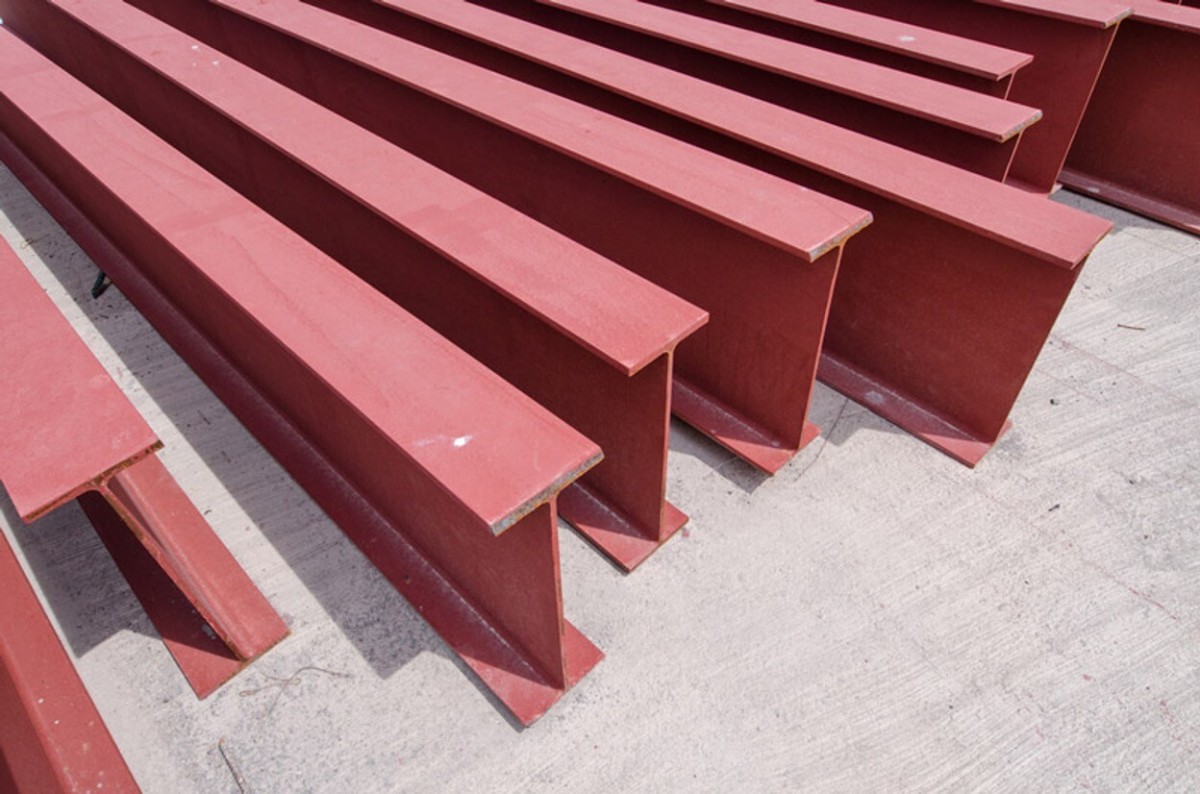
H-steel, also known as H-beam, is a type of structural steel with an H-shaped cross-section. This design offers excellent strength-to-weight ratios, making it a preferred choice for projects requiring robust support with minimal material usage.The H-beam's flanges are parallel, which simplifies connections and enhances load-bearing capabilities.
Types of Steel Sections
Steel sections come in various shapes and sizes to cater to different structural needs. Some common types include:
·Wide Flange Beams (HW):Known for their wide flanges, these beams provide superior lateral stiffness and are ideal for columns and beams in steel structures.
·Medium Flange Beams (HM): With a flange width-to-height ratio of about 1.33 to 1.75, these beams are suitable for dynamic load-bearing structures like equipment platforms.
· Narrow Flange Beams (HN): These have a greater height-to-flange width ratio, making them perfect for beam applications.
Benefits of Using H-Steel and Steel Sections
Strength and Durability: H-steel offers high bending resistance, ensuring long-lasting structural integrity.
Cost-Effective:The optimized cross-sectional area distribution reduces the amount of steel needed, lowering material costs.
Ease of Construction: The parallel flanges of H-steel simplify welding and splicing, accelerating construction timelines.
Applications of H-Steel
H-steel is widely used in various industries due to its versatility:
Construction: Ideal for beams and columns in both residential and commercial buildings.
Industrial Structures: Used in the framework of machinery, equipment supports, and structural steel supports.·Infrastructure Projects: Essential in the construction of bridges, highways, and other large-scale projects.
Conclusion
H-steel and steel sections are integral to modern construction and engineering, providing strength, efficiency, and versatility. Whether you're constructing a skyscraper or a bridge, understanding the different types of steel sections and their applications is crucial.