
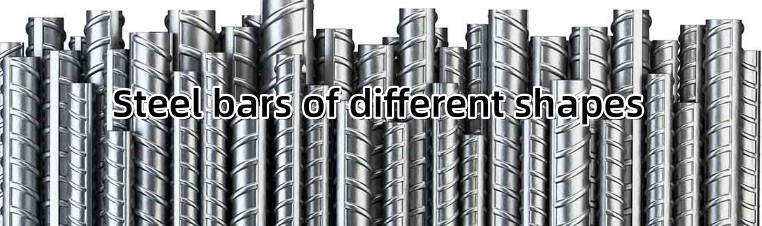
Rebar is an indispensable building material in modern construction, playing a particularly crucial role in concrete structures, providing tensile strength while reinforcing concrete's compressive capacity.
Rebar can be classified in various ways, generally based on chemical composition, production process, rolled shape, supply form, diameter, and structural application.
Rebar can be categorized by rolled shape as plain round, ribbed, and cold-rolled twisted.
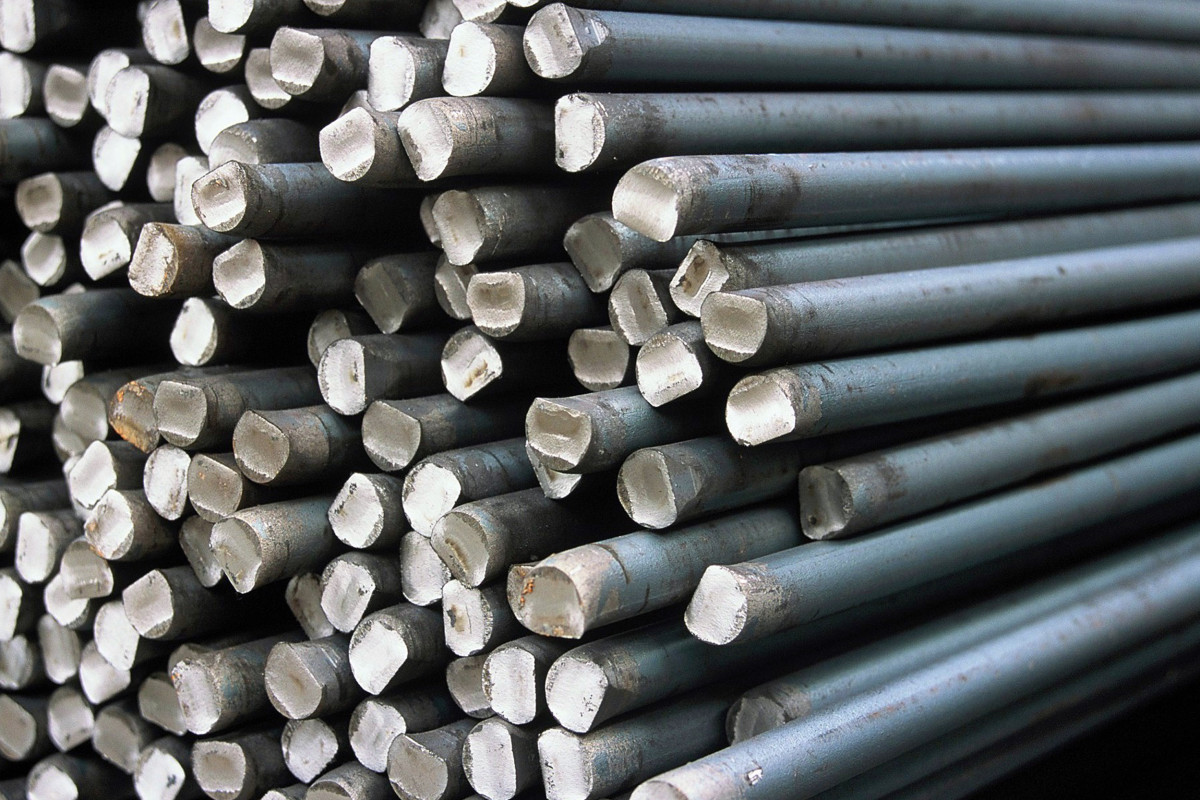
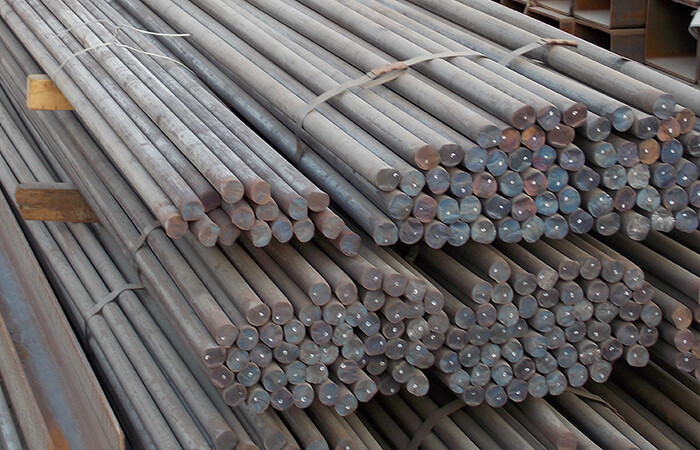
Plain round rebar is a smooth, undeformed cylindrical bar with a round cross-section and uniform diameter. Made from low-carbon steel and ordinary alloy steel pressed at high temperatures, it is relatively simple to produce and exhibits excellent plasticity, toughness, and good weldability, but exhibits relatively weak adhesion to concrete. It is primarily used for reinforcement in reinforced concrete and prestressed concrete structures, such as welded components in buildings, bridges, and roads.

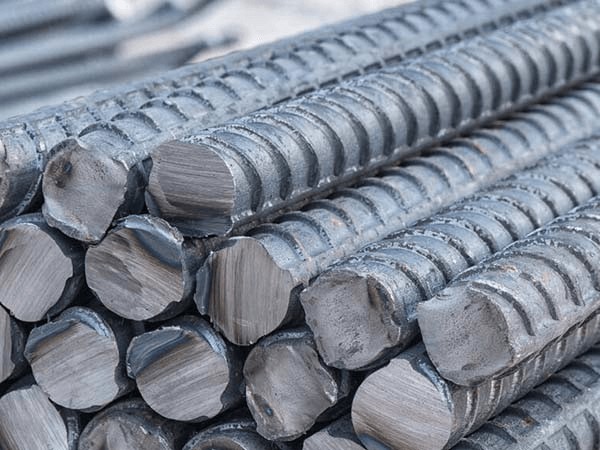
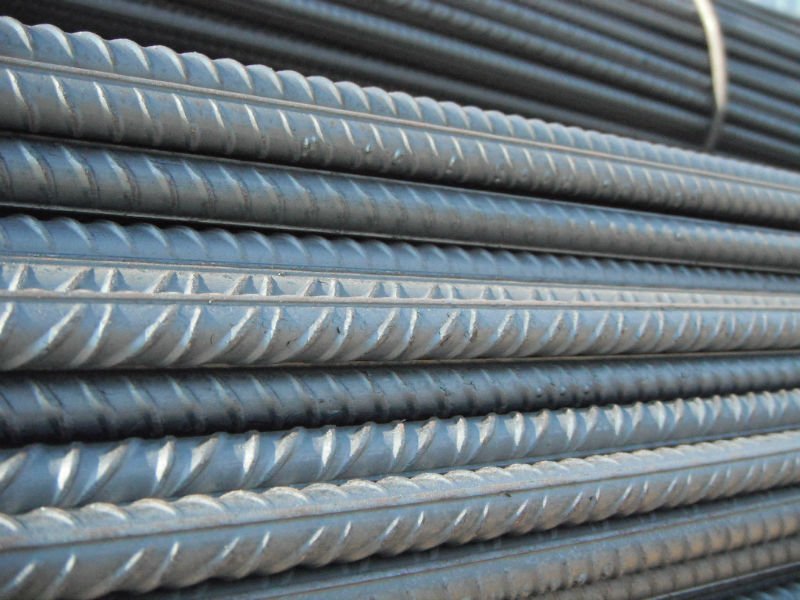
2. Ribbed rebar features ribbed patterns, such as spiral, herringbone, or crescent shapes. It's typically made from carbon or low-alloy structural steel through processes like hot rolling. The ribs enhance the bond between the rebar and concrete, allowing it to more effectively withstand external forces. Ribbed rebar offers high strength and is widely used in the skeletons of various reinforced concrete building components, such as foundations, beams, and columns in highways, railways, bridges, and buildings.
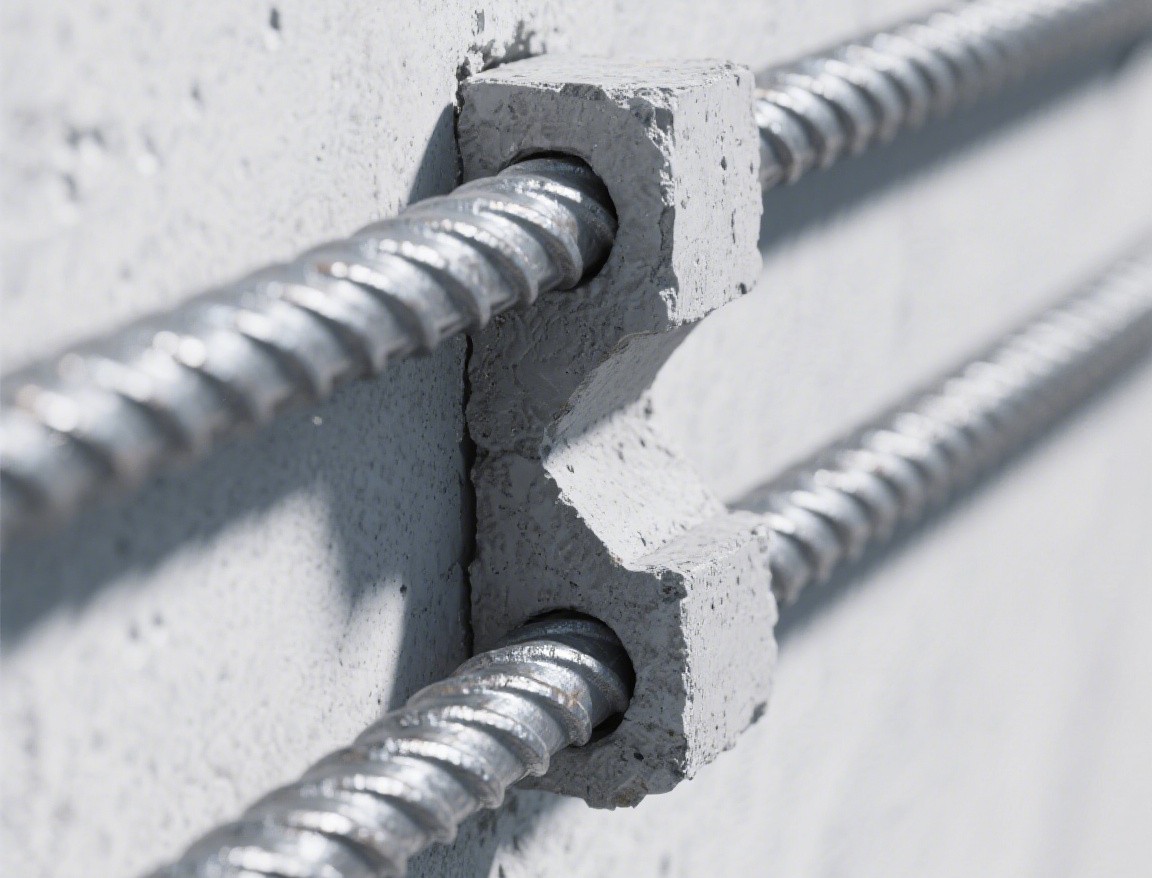
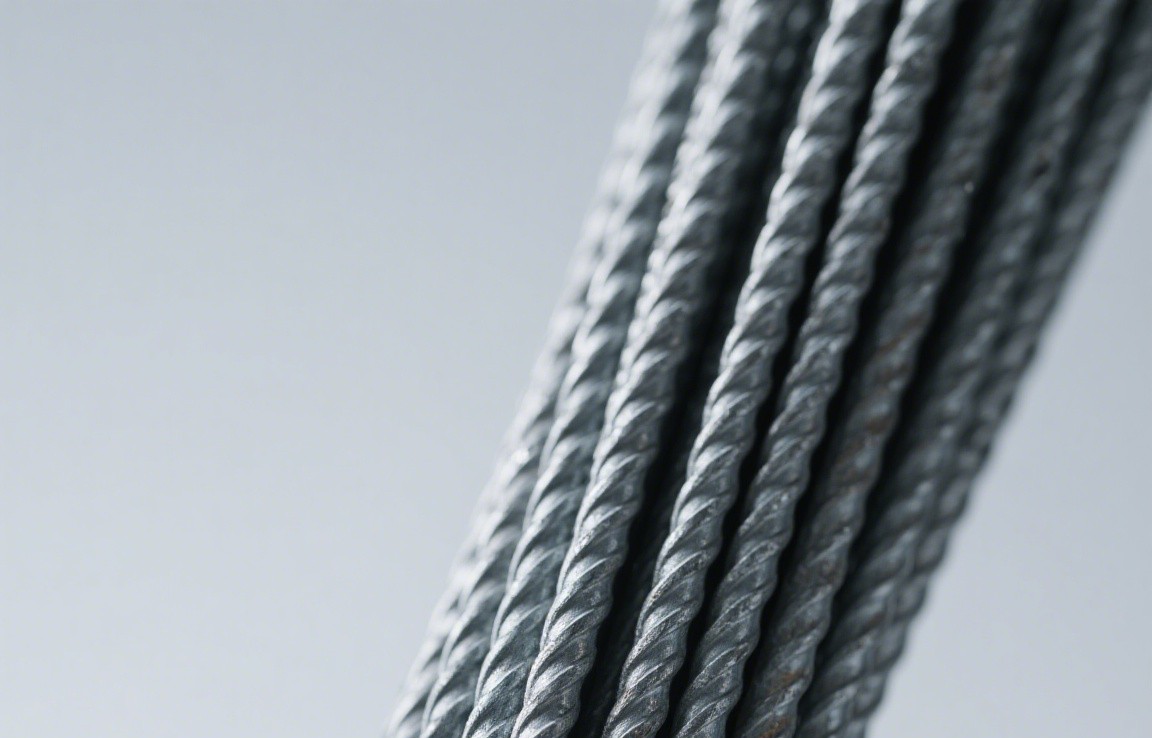
3. Cold-rolled twisted rebar: Made from hot-rolled low-carbon steel wire rod, cold-rolled and reduced in diameter using a dedicated mill, it is then mechanically twisted to form a continuous spiral surface. The finished product has a rectangular or diamond-shaped cross-section. This product offers high production efficiency and material conservation, with a tensile strength up to 1.92 times that of the parent material. It is widely used in construction projects for components such as cast-in-place concrete slabs.