
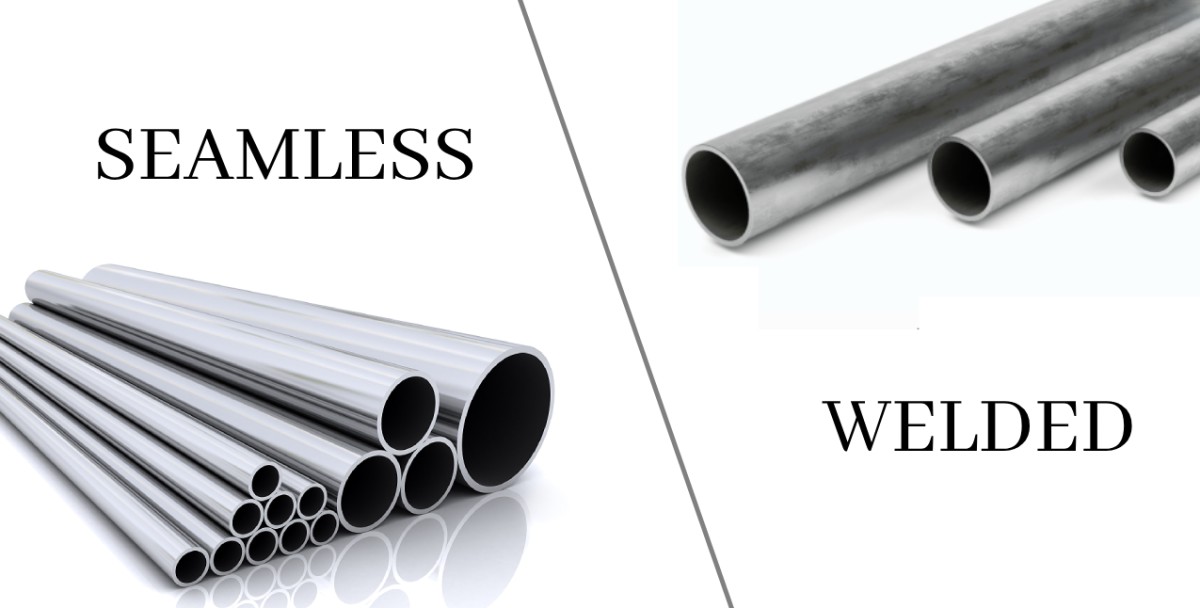
Seamless steel pipes and welded steel pipes are the two core types of steel pipes. There are significant differences between the two in production processes, performance characteristics, and application scenarios.
Different production processes:
Seamless steel pipe: Made from a single piece of raw material, the core processes include hot rolling, cold rolling, or cold drawing. Typically, the raw material is a round billet, which is heated and then punched through a piercing machine to form a hollow rough tube. It then undergoes subsequent rolling and sizing processes to create the finished product, without any welds.
Welded steel pipe: Also known as welded pipe, steel plate or strip is first coiled into a tubular shape using a coiling machine. The joints are then welded together using welding processes (such as arc welding, high-frequency welding, or gas welding) to form a complete pipe. This leaves one or more weld seams on the pipe surface.
Core Performance Differences:
1. Strength and Toughness: Seamless steel pipes, lacking weak welds, offer more uniform overall mechanical properties, enhanced compressive, tensile, and impact resistance, and are particularly stable in high-pressure and high-temperature environments. The welds of welded steel pipes can be a performance weakness. Improper welding techniques can lead to defects such as slag inclusions and pores, compromising overall strength.
2. Sealing: Seamless steel pipes are formed in one piece, offering excellent sealing properties and effectively preventing leakage. The sealing properties of welded steel pipes depend on the quality of their welds. While qualified products can meet general requirements, the risk is slightly higher in high-pressure sealing scenarios.
3. Dimensional Flexibility: Welded steel pipes can be flexibly adjusted in diameter and length based on demand, resulting in a short production cycle and low cost, making them suitable for mass production of standardized or customized sizes. The production process for seamless steel pipes is more complex, making large diameters and special specifications difficult and costly to produce.
4. Corrosion Resistance: The corrosion resistance of both types of pipes depends primarily on surface anti-corrosion treatment (such as galvanizing and painting). However, seamless steel pipes, due to their lack of welds, offer a more uniform surface treatment, thus reducing the risk of weld corrosion over long-term use.
Different application scenarios:
Seamless steel pipe: More suitable for applications with stringent performance requirements, such as high-pressure oil and natural gas pipelines, boiler superheater pipes, precision components in machinery manufacturing, and structural parts in the aerospace industry.
Welded steel pipe: Widely used in general transportation and construction, such as tap water and low-pressure gas pipelines, steel structure supports, furniture manufacturing, and agricultural irrigation pipes. It is the most commonly used type of steel pipe in daily production and life.
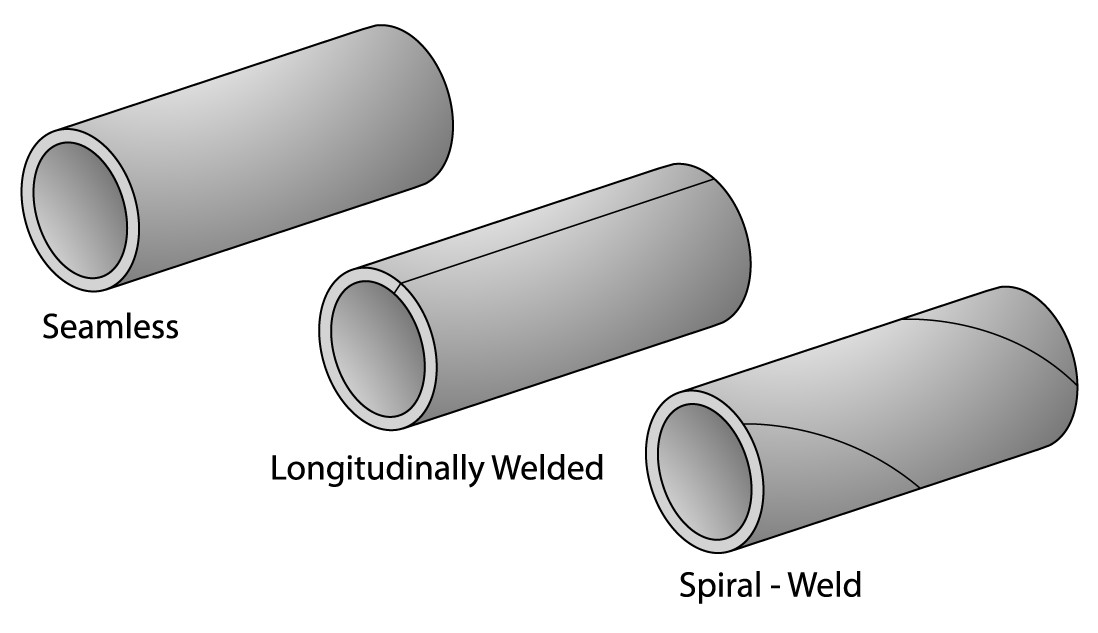
Simply put:
seamless steel pipes are like solid barrels carved from a whole piece of wood, which are strong and reliable; welded steel pipes are like barrels made of wooden boards and clamped with iron hoops, which are economical and practical, but the seams are where attention needs to be paid.
Shandong Lituo Co., Ltd. specializes in steel supply! Whether it's seamless steel pipes for high-pressure applications or welded steel pipes for conventional projects, we offer reliable, high-quality products in a comprehensive range of specifications. Feel free to contact us and discuss your plans. Let's work together to build high-quality projects!
Please contact us:
Tel: +86 17863871700
E-mail :info@cnsteelmill.com
Wechat / Whatsapp :+86 17863871700
Contact Elio